Gameplanning good design
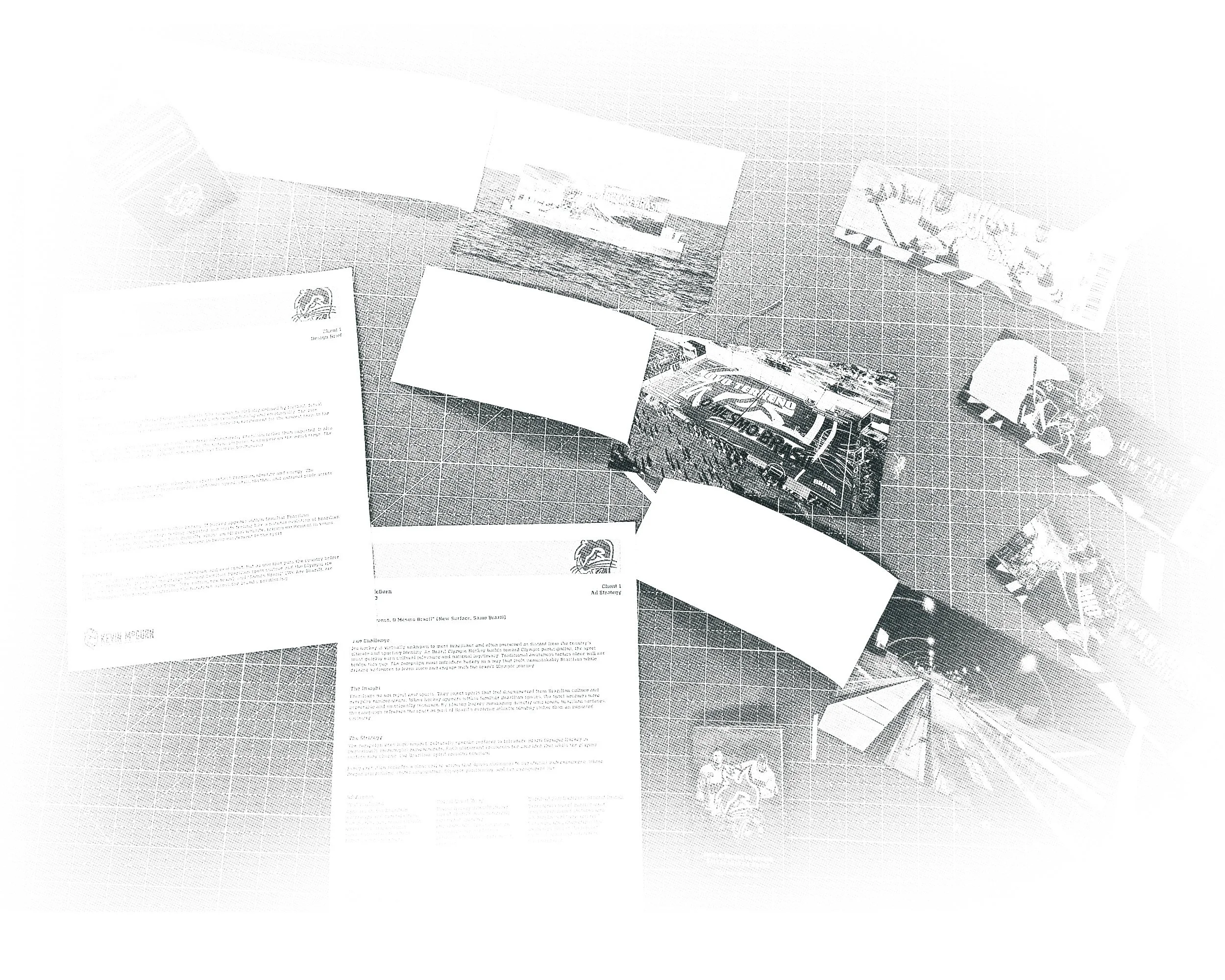
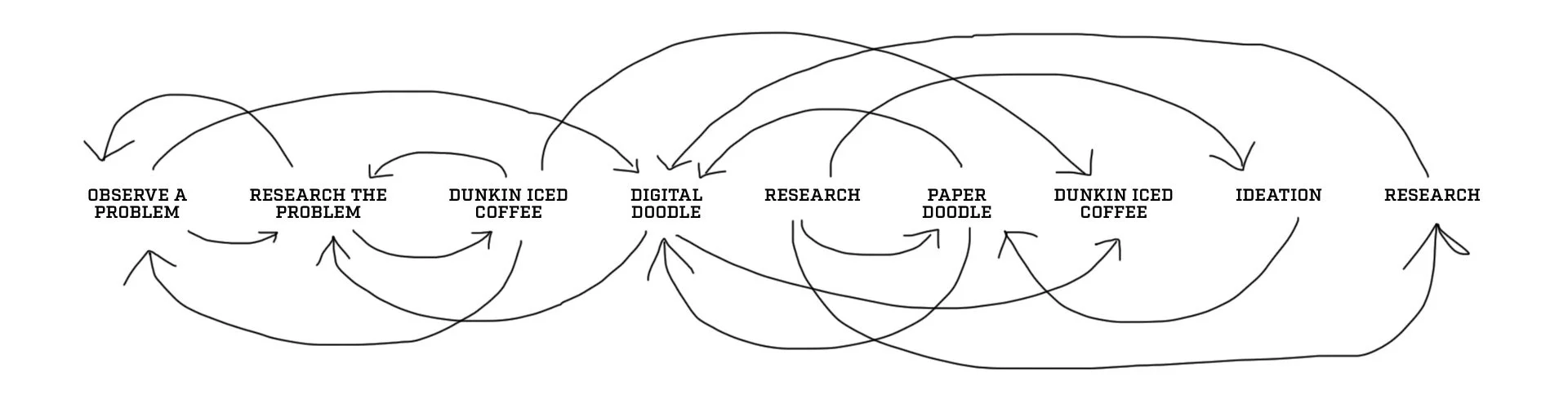
The creative process is anything but linear. Projects, clients, and applications will throw curveballs, change-ups, and screwballs, and the best designers learn to hit them all. Throughout my time in the field, I've developed a process built to handle the unpredictable: one that doubles back, skips forward, knocks you to square one, and resurfaces with something stronger every time. It demands research, prototyping, sketching, coffee, and execution, sometimes all at once, rarely in that order. Having a framework for attacking the work has been the key to showing up ready when it counts.
reading the field
The best problems to solve are the ones you trip over yourself. Whether it's a gap in the market, something that should exist but doesn't, or a friction point in something I already love, I look for projects worth caring about. I tend to play in spaces I'm already in: sports, food, the outdoors, culture. The problems feel real because they are. If I'd use it, wear it, or wish it existed on a shelf somewhere, it's worth suiting up for.
the scouting report
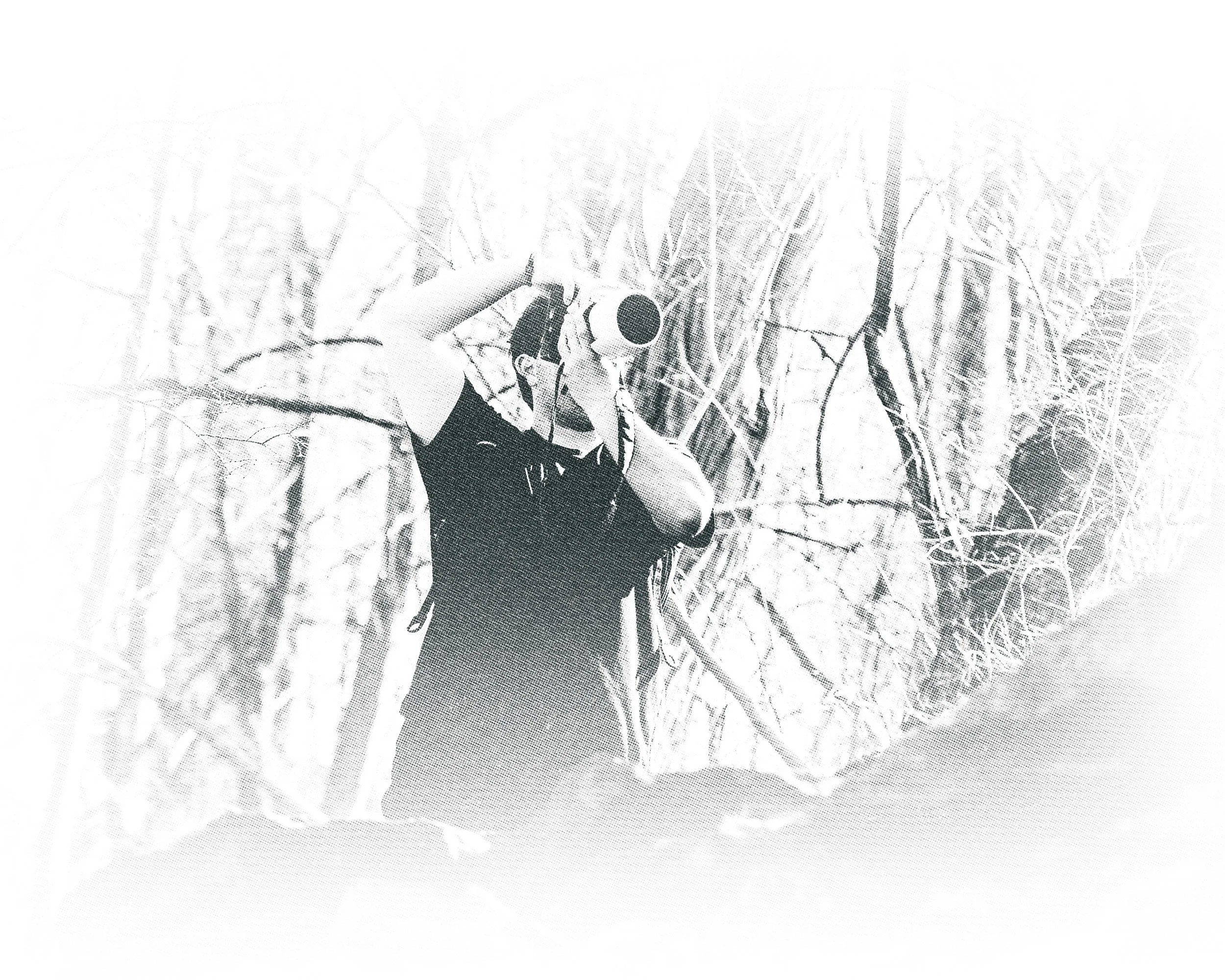
Good design starts with good homework. Once a problem is on the board, I go all in: reading, googling, doomscrolling through whatever corner of the internet knows it best. This is usually where Dunkin gets involved. I want to know the full context of the issue. Who it affects, where it lives, why it hasn't been solved, and what's been tried before. The more I understand the problem's history, its holdbacks, and the people inside it, the better equipped I am when it's time to actually take the field.
the warmup
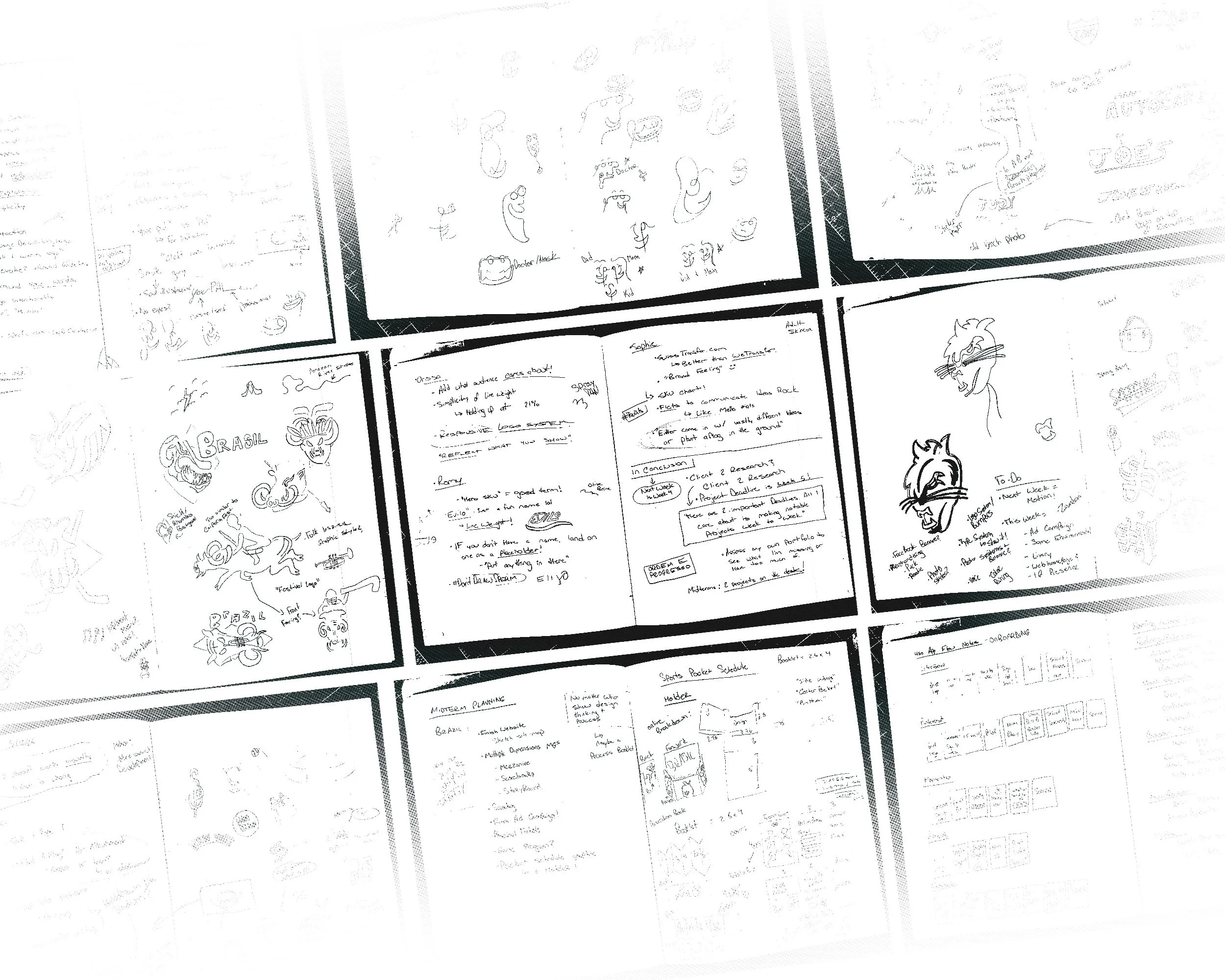
Pen hits paper before anything else. The sketchbook comes out first, full of chicken scratch, half-baked shapes, and margin notes that probably won't make sense tomorrow. From there it moves into Illustrator and Photoshop to play with effects, line weights, lighting, and concepts before cycling back to paper again. Nothing here is precious. It's loose, it's iterative, and most of it ends up crossed out. I’m not looking to land anywhere yet, but rather to get moving and let the ideas start flowing.
The Playcall
This is where the pieces start connecting. The sketchbook is still open, the research is still on the table, and the job is bridging the gap between the two. Logic starts driving the bus here, pulling the best threads from the warmup and stress-testing them against what the research actually says. The first idea that shows up gets acknowledged but never settled on. It's a jumping off point. The goal is to push past the obvious, use it as a springboard, and keep digging until the connections feel both inevitable and interesting.
The release
Everything built up to this. The research, the sketches, the late nights connecting dots, it all culminates here. The most compelling idea gets the green light and we run it. Sometimes it's a two yard gain, sometimes it's a walk-off grand slam, but either way we're on the field and moving forward. This is also where the process reveals its true nature: it's not a straight line and never was. The execution might send you back to the sketchbook, back to the research, back to square one. That's the game we play. We don't leave the field until we score.